


 The Jacques Pépin Foundation (JPF) is a 501(c)(3) non-profit organization founded in 2016 by legendary chef Jacques Pépin, his daughter Claudine Pépin, and his son-in-law Rollie Wesen. Building on Jacques’ lifelong commitment to culinary education, the foundation’s primary mission is to support free culinary and life skills training for individuals who face significant barriers to employment, such as previous incarceration, homelessness, or substance abuse issues.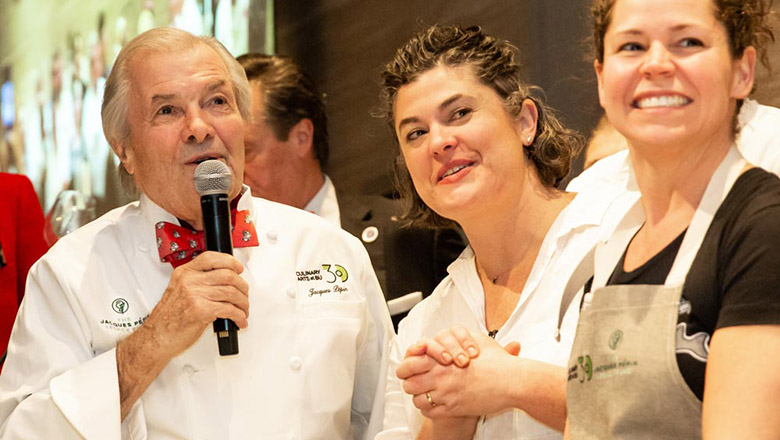
The JPF Grant Program: The heart of the JPF is its grant program. It provides funding, equipment, and curricular materials to “Community Kitchens”—non-profits that offer job training in the food service industry.
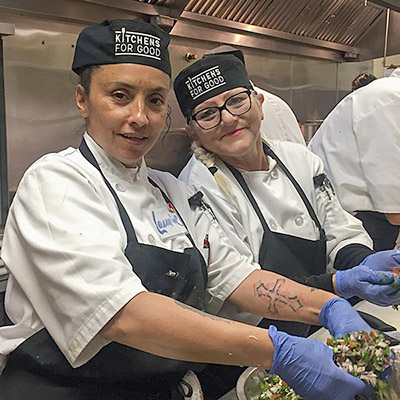 Grant Impact: Since 2019, the JPF has awarded over $1.8 million to more than 80 organizations nationwide.
Target Population: Programs specifically help those “detached from the workforce,” providing them with the confidence and technical skills needed to find stable employment and independence.

The JPF Grant Program: The heart of the JPF is its grant program. It provides funding, equipment, and curricular materials to “Community Kitchens”—non-profits that offer job training in the food service industry.
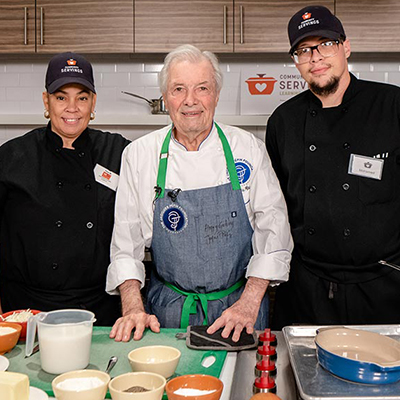 Grant Impact:Exclusive Content: A digital library of hundreds of videos featuring Jacques and other celebrity chefs (like José Andrés and Andrew Zimmern).
Community Focus: Membership fees directly fund the grants given to community kitchens, allowing home cooks to support professional training for others while improving their own skills.

The Jacques Pépin Foundation (JPF) grant program is the philanthropic heart of Chef Jacques Pépin’s legacy. Since becoming a grant-making organization in 2019, the Foundation has focused on supporting community-based culinary arts training programs that provide free job training to individuals facing high barriers to employment—such as those impacted by the justice system, homelessness, or substance abuse recovery.
The program doesn’t just provide funding; it integrates Jacques’ lifelong commitment to technique and education into the “community kitchen” model.
To celebrate Jacques Pépin’s 90th birthday (December 2025), the foundation launched its largest initiative yet: the 90/90 Dinner Series.
The goal is to host 90 ticketed dinner parties across the country in partnership with top chefs and restaurants to solidify the foundation’s future and expand its reach into new communities.
Jacques Pépin famously said, “We are all equal in the eyes of the stove.” The foundation operates on the belief that culinary training is a “high-impact” intervention. A relatively short period of vocational training can:
Reduce Food Waste: By teaching efficient technique and “budget cooking.”
Improve Health: By fostering a deeper understanding of the food system.
Build Economic Stability: By opening doors to a professional industry that values skill and hard work over past history.
Join Us on Our Journey to Transform Lives
(https://jp.foundation/donate)
With your support, the JPF teaches and inspires people to cook, to improve their lives with personal growth, better health, ways to save money on food, and job opportunities, while extending Jacques’ legacy of generosity and the transformative power of culinary education.
Your contributions provide free instructional videos, available to all, through social media channels, YouTube and our website, to teach and enhance cooking skills, as well as access to recipes and videos from renowned and inspiring chefs through our JPF members’ Video Recipe Book. Our Community Kitchens Support program provides culinary arts education, training and grants to empower those with barriers to employment to gain confidence, skills and employment in the food industry.
Become a JPF Member for Exclusive Content
Become a JPF member and receive access to our award-winning Video Recipe Book, a digital platform that merges celebrity table cookbook with a video subscription service. Each video is searchable, downloadable, and can be printed, providing hours of content that gives Members the chance to expand their own culinary techniques while supporting culinary education of others.
A Grandfather’s Lessons Videos (https://jp.foundation/video-series/a-grandfathers-lessons)
Curly hot dogs, spinach with croutons, sushi salmon cakes, skillet bread and homemade butter, raspberry cake: These recipes will become irresistible new classics for kids. Along the way, Jacques imparts lessons in kitchen etiquette, from how to set a table to how to fold a napkin properly. And perhaps the most important lesson of all: that the best meals are the ones shared at home with family.
Julia and Jacques Videos (https://jp.foundation/video-series/julia-and-jacques)
The Jacques Pépin Foundation is proud to be able to present, in coordination with Janson Media, American Public Television and KQED, full-length episodes of the well-loved and iconic series “Julia and Jacques Cooking at Home” (1999). The quality of food and entertainment presented in this series, literally set the stage for the explosion of cooking shows on American television beginning in the late 1990s.
